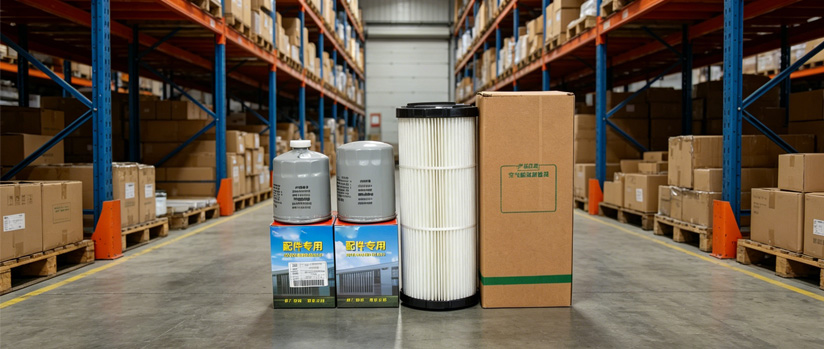
Filters play a key role in keeping forklifts running efficiently and safely. Whether it's the air filter, hydraulic filter, oil filter, or fuel filter, each one helps protect internal systems from dust, debris, and contaminants. Ignoring the signs that a filter needs changing — or skimping on maintenance — can lead to reduced performance, higher fuel consumption, and expensive breakdowns.
So the big question is: when should you actually change a filter?
There's no one-size-fits-all answer. How often you need to swap out a filter depends on the type of filter, how the forklift is used, the working environment, and even the quality of the filter itself. In this guide, we'll walk you through the most common filter types, r and the obvious warning signs that it's time for a replacement — so you can keep your system running smoothly and your workplace safe.
Why forklift filters matter
Forklift filters are there to stop contaminants from getting into sensitive parts like the engine, hydraulic system, and fuel system. Clean filters help:
Keep engine performance steady
Make sure the hydraulic system runs smoothly
Lower maintenance costs
Improve fuel efficiency
Extend the life of components
Types of Forklift Filters
1. Air Filter:The air filter prevents dust and particles from entering the engine.
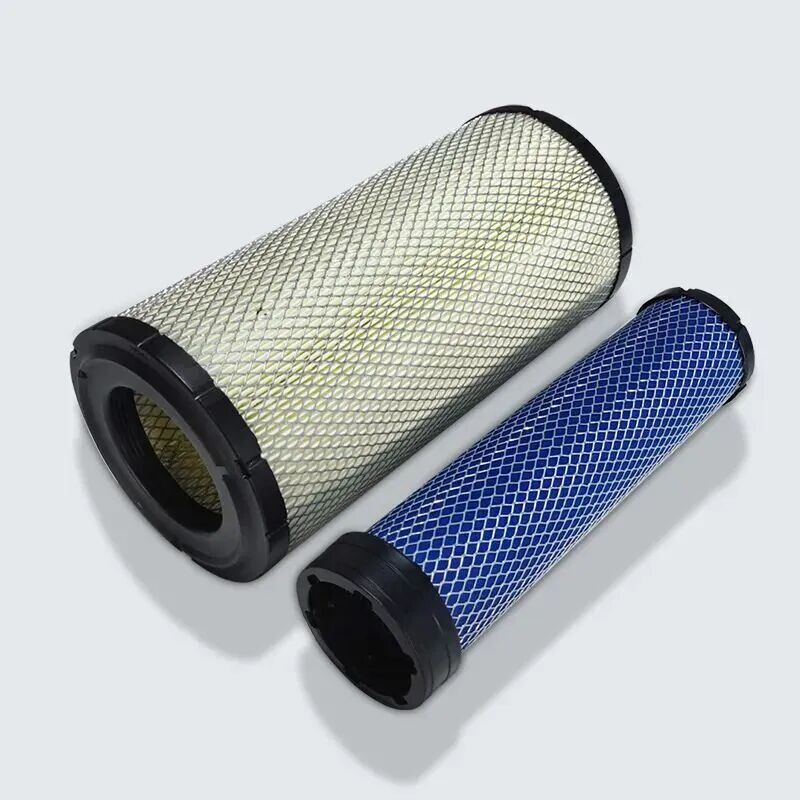
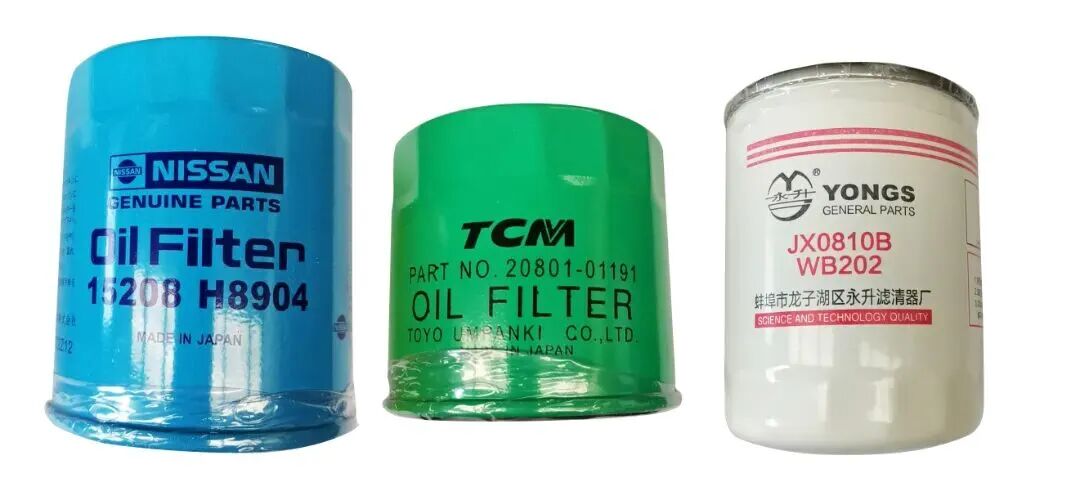
2. Oil Filter:The oil filter removes contaminants from engine oil and protects internal engine parts.
3. Hydraulic Filter:Hydraulic filters keep the hydraulic oil clean and protect pumps, valves, and cylinders.
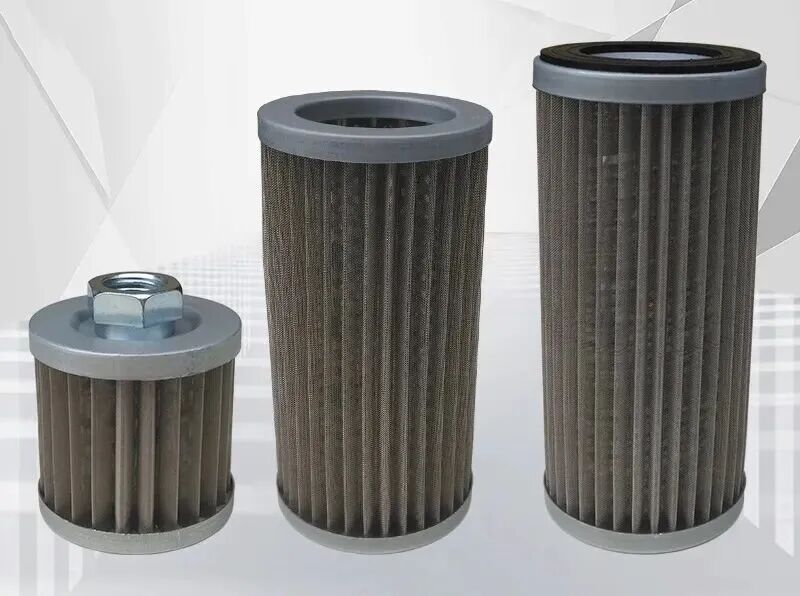
4. Fuel Filter:Fuel filters stop impurities from entering the fuel injection system.
Signs it's time to replace a filter
Loss of engine power
A clogged air filter or fuel filter restricts airflow or fuel supply, which can cause sluggish acceleration and poor lifting performance.
Higher fuel consumption
A dirty filter forces the engine to work harder, which means it burns more fuel.
Slow or sluggish hydraulics
A blocked hydraulic filter can lead to slow lifting, hard steering, or jerky operation.
Oil looks dark or contaminated
If the engine oil or hydraulic fluid turns dirty again soon after you've changed it, the filter may no longer be doing its job.
Warning lights or error codes
Modern electric forklifts may show maintenance reminders or filter-related fault codes.
Risks of neglecting filter maintenance
Failing to change filters on time can lead to:
Engine overheating
Hydraulic pump damage
Increased component wear
Unexpected breakdowns
Expensive repairs
Tips to extend filter life
Inspect filters regularly
Keep the operating environment clean
Use high‑quality replacement filters
Follow the manufacturer's maintenance schedule
Replace damaged seals during installation
Choosing quality forklift filters
Not all filters offer the same level of protection. High‑quality filters provide better filtration efficiency, greater durability, steady airflow and oil circulation, and longer service intervals.
LiftTop offers reliable forklift parts and maintenance solutions to customers worldwide — including filters, wheels, controllers, battery systems, contactors, and more. Our products are designed to support consistent performance and reduce equipment downtime.
Changing forklift filters on time is essential for keeping things safe, improving efficiency, and extending equipment life. Regular checks and preventive maintenance go a long way in avoiding major breakdowns and keeping your forklifts running smoothly, even under tough working conditions.Contact us today for product recommendations and customized forklift parts solutions.
Get Latest Deals from Anhui LiftTop Mechanical and Electrical

Send Us Email
Email : simon@lifttops.com
Address


 IPv6 network supported


 English
 English
 français
 русский
 español
 português
 العربية